
Quick answer
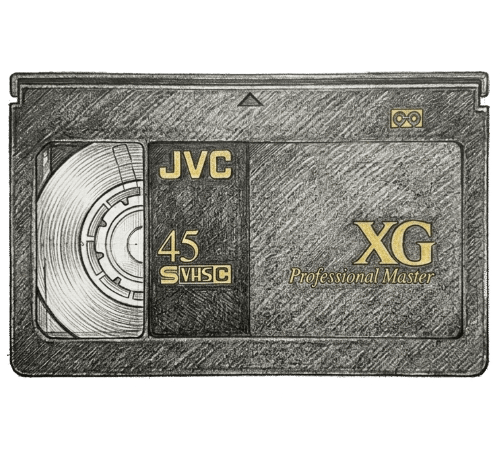
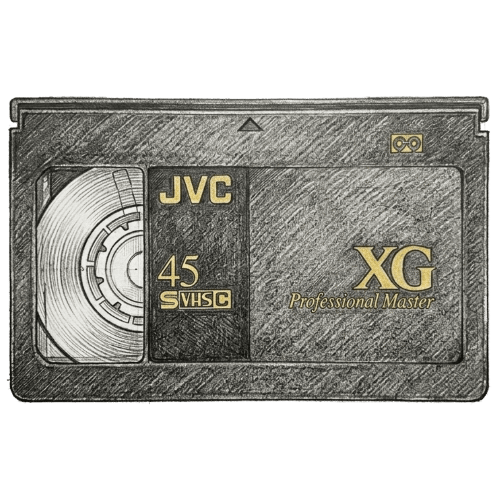
VHS-C is a compact videotape format. Conversion equipment must match the cassette and playback method; a VHS-C adapter is not the right answer for every compact tape format.
This guide explains the decisions that make a VHS-C to digital conversion project easier to scope, compare, and manage. It is written for people who need a practical answer before they request pricing or approve a workflow.
What to consider before VHS-C to digital conversion
A good plan begins with the real records, devices, or media in front of you. Capture the following details before choosing a service path:
- Confirm the cassette actually says VHS-C
- Separate VHS-C from Video8, Hi8, MiniDV, and MicroMV
- Note cracked shells or loose tape
- Keep any known camcorder model information
These details turn a vague request into a scope that a provider can evaluate. They also help internal stakeholders understand what is included, what remains undecided, and which exceptions require approval.
A practical step-by-step plan
1. Photograph the cassette labels
Write down the decision, the responsible person, and the evidence that will show it was completed. For photograph the cassette labels, use a small representative sample whenever possible. A sample exposes missing labels, mixed materials, access constraints, and other exceptions before they affect the entire project.
2. Avoid forcing a cassette into an adapter
Write down the decision, the responsible person, and the evidence that will show it was completed. For avoid forcing a cassette into an adapter, use a small representative sample whenever possible. A sample exposes missing labels, mixed materials, access constraints, and other exceptions before they affect the entire project.
3. Group tapes by format
Write down the decision, the responsible person, and the evidence that will show it was completed. For group tapes by format, use a small representative sample whenever possible. A sample exposes missing labels, mixed materials, access constraints, and other exceptions before they affect the entire project.
4. Ask the provider to confirm uncertain formats
Write down the decision, the responsible person, and the evidence that will show it was completed. For ask the provider to confirm uncertain formats, use a small representative sample whenever possible. A sample exposes missing labels, mixed materials, access constraints, and other exceptions before they affect the entire project.
Common mistakes to avoid
- Calling every small videotape VHS-C
- Using a mechanical adapter that is damaged
- Rewinding fragile tapes repeatedly
Most project problems are not caused by the primary service itself. They come from unclear ownership, mixed inputs, unrecorded exceptions, or decisions made after work has begun. A short written scope and acceptance check prevent much of that friction.
How to compare options and quotes
Ask each provider to describe the same end-to-end scenario. Include collection or intake, handling, access during the project, exceptions, tracking, turnaround, deliverables, downstream disposition, and every recurring or event-based charge. If two quotes describe different workflows, their totals are not directly comparable.
Keep internal requirements separate from provider claims. Your organization should decide its applicable legal, regulatory, contractual, privacy, and retention obligations with the appropriate advisors. A service provider can explain its process, but it should not make those business decisions for you.
Related services and next step
Explore formats accepted, VHS conversion, 8mm and Super 8 film transfer. When the scope is ready, request a quote from Memories by Liberty. Include approximate quantity, location, timing, and any tracking or access requirements.
Frequently asked questions
What is the first step in VHS-C to digital conversion?
Start with an inventory and a written objective. Identify what you have, who owns the decision, what outcome is needed, and which items require special handling.
How should an organization compare providers for VHS-C to digital conversion?
Compare the complete workflow: intake, custody, exceptions, documentation, pricing, turnaround, and what happens after the service—not a single headline rate.
What information should be ready before requesting a quote?
Prepare approximate quantity, material or media types, location, timing, access constraints, tracking needs, and examples of unusual items. Photos can help clarify scope.
Can Memories by Liberty help with this project?
Memories by Liberty provides family media conversion and photo scanning for families in Washington and Idaho service areas. The team can review the scope and explain available options; the customer remains responsible for its legal, regulatory, contractual, and retention decisions.