
Latest posts
-
Hi8, Video8, MiniDV, and MicroMV: Identify Your Small Tapes

Small camcorder tapes are not interchangeable. Labels and cassette dimensions help separate Video8, Hi8, Digital8, MiniDV, MicroMV, and VHS-C before conversion.
-
Audio Cassette to Digital: Preserve Voices, Interviews, and Music

Audio cassette conversion preserves the recording as a digital audio file, but labels, side order, speed, noise, and tape condition still affect the project plan.
-
Negative Scanning: How Strips and Sleeves Become Digital Photos

Negative scanning converts film frames into positive digital images. Good organization preserves strip and sleeve order, format, orientation, and any dates or roll numbers.
-
Slide Scanning Guide: Organizing Carousels, Boxes, and Captions

Slide scanning should preserve the order and clues already present in trays, boxes, mounts, and handwritten captions while creating an index family members can understand.
-
Photo Scanning Project Plan: From Shoeboxes to Organized Files

A photo scanning project is easier when you decide what order matters, how groups should be named, which markings must be captured, and how files will be backed up.
-
8mm and Super 8 Film Transfer: What Families Should Know

8mm and Super 8 are motion-picture film formats, not videotapes. A transfer project should preserve reel order, labels, frame content, and the family context around each reel.
-
VHS-C to Digital: Do You Need the Camcorder or an Adapter?
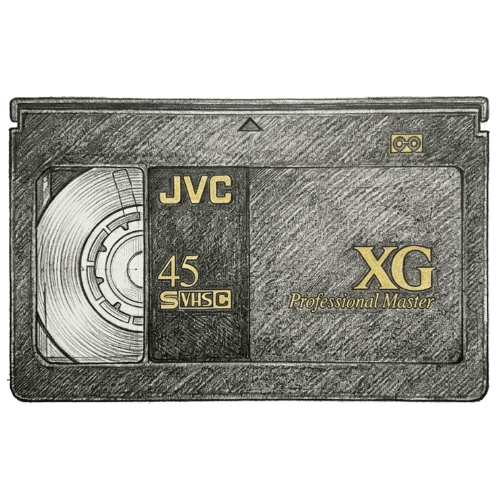
VHS-C is a compact videotape format. Conversion equipment must match the cassette and playback method; a VHS-C adapter is not the right answer for every compact tape format.
-
VHS to Digital Conversion: A Family’s Start-to-Finish Guide
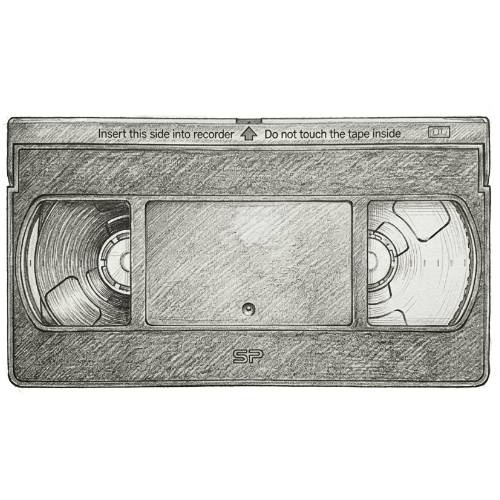
Start a VHS conversion project by inventorying tapes, noting labels, identifying priorities, choosing delivery and organization preferences, and keeping originals until files are reviewed.